
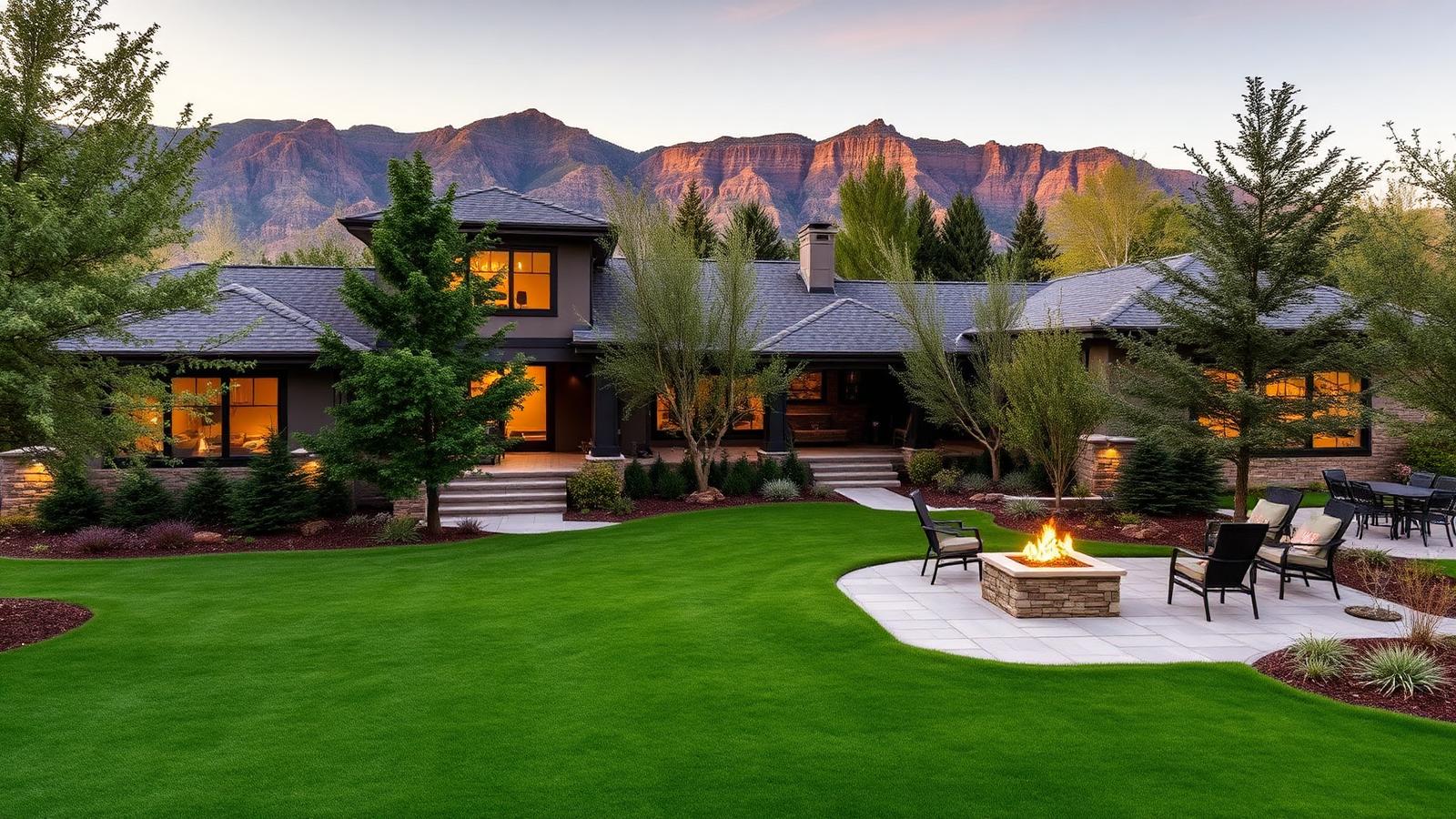
A beautiful yard is good. A beautiful yard that fits the way you actually live is better.
For homeowners throughout Ogden, Layton, Kaysville, Farmington, Bountiful, Roy, Clearfield, Syracuse, and the rest of Northern Utah, residential landscaping has to accomplish several things at once.
It needs to look good from the street. It needs to withstand Utah summers and winters. It should use water thoughtfully. And most importantly, it should create outdoor spaces your family wants to use.
Simplified Landscaping provides residential landscape design, construction, maintenance, irrigation, hardscape installations, lawn services, and landscape enhancements throughout Northern Utah.
Whether you are starting with a new construction property or improving an established yard, these eight considerations can help turn outdoor space into an intentional extension of your home.
1. Start With How You Want to Use the Yard
Before choosing plants, pavers, or grass, determine what the space needs to do.
Do you want room for children to play? A patio for entertaining? A quiet fire pit area? Space for a future pool? A low-maintenance front yard? Better privacy from neighbors?
A good landscape plan begins with those questions.
Think about your property as a series of outdoor rooms. One area might be used for dining while another provides open lawn. A side yard could become a pathway or storage area instead of leftover space. A previously unused corner could become a fire pit or seating area.
Starting with function helps prevent a common landscaping mistake: spending money on individual features that do not work together.
2. Plan Hardscaping Before Planting
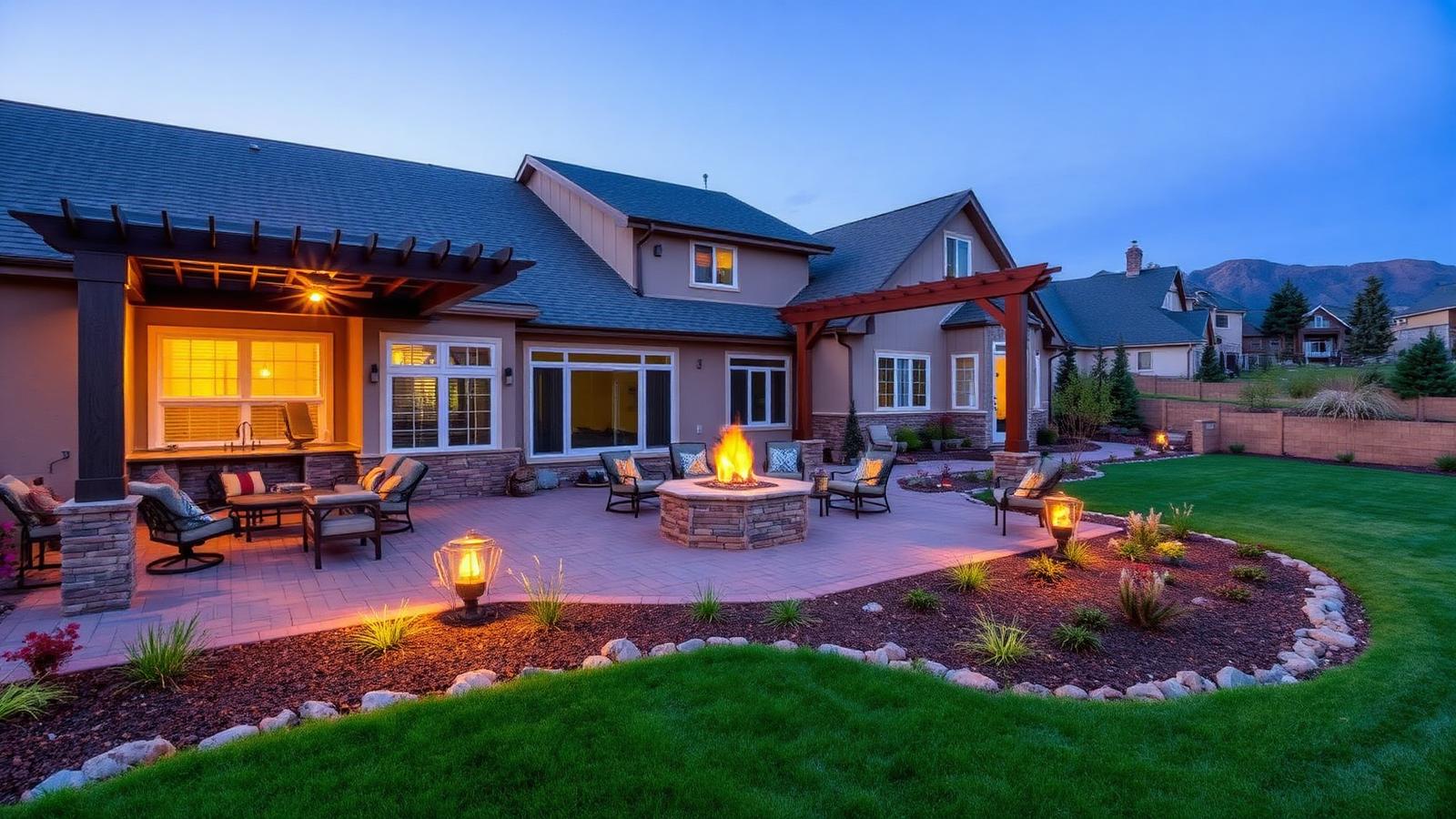
Patios, walkways, retaining walls, steps, fire features, and other hardscape elements usually establish the basic structure of a landscape.
Their placement affects grading, drainage, irrigation, planting areas, and how people move through the property. That is why they should be considered early in the design process.
A well-positioned patio can connect indoor and outdoor living spaces. Walkways can create a natural route between the driveway, backyard, garden, or side gate. Retaining walls can make sloped areas more useful while helping organize planting areas.
Simplified Landscaping's residential work includes landscape design-build and features such as patios, walls, fire pits, fountains, irrigation, and other outdoor improvements.
Planning those elements together typically produces a much more cohesive result than adding them one project at a time.
3. Use Lawn Where Lawn Makes Sense
Grass still has an important place in many Northern Utah yards.
It provides play space, creates visual contrast, and can make a landscape feel open and comfortable. But that does not mean turf has to fill every square foot between the house and property line.
Consider where your family actually uses lawn. A backyard play area may be valuable. A narrow strip along a fence or steep front slope may provide little practical benefit while still requiring mowing and irrigation.
Strategically reducing turf in difficult areas can create opportunities for planting beds, patios, pathways, decorative rock, shrubs, or other features.
The goal does not have to be eliminating grass. The goal is putting it where it contributes something.
4. Design Irrigation Alongside the Landscape
Irrigation should not be an afterthought.
Different parts of a yard have different watering needs. Turf, shade trees, shrubs, perennial beds, and sunny planting areas should not automatically receive the same schedule.
USU Extension recommends grouping plants according to similar water requirements and separating turf irrigation from other landscape plants where practical. It also recommends seasonal controller adjustments and routine inspection for leaks or malfunctioning sprinkler heads.
A properly designed irrigation system can help maintain a healthier landscape while reducing unnecessary water use.
For existing properties, an irrigation audit can also reveal problems such as overspray, poor coverage, outdated heads, leaking valves, and inefficient controller settings.
5. Choose Plants for the Property, Not Just the Nursery
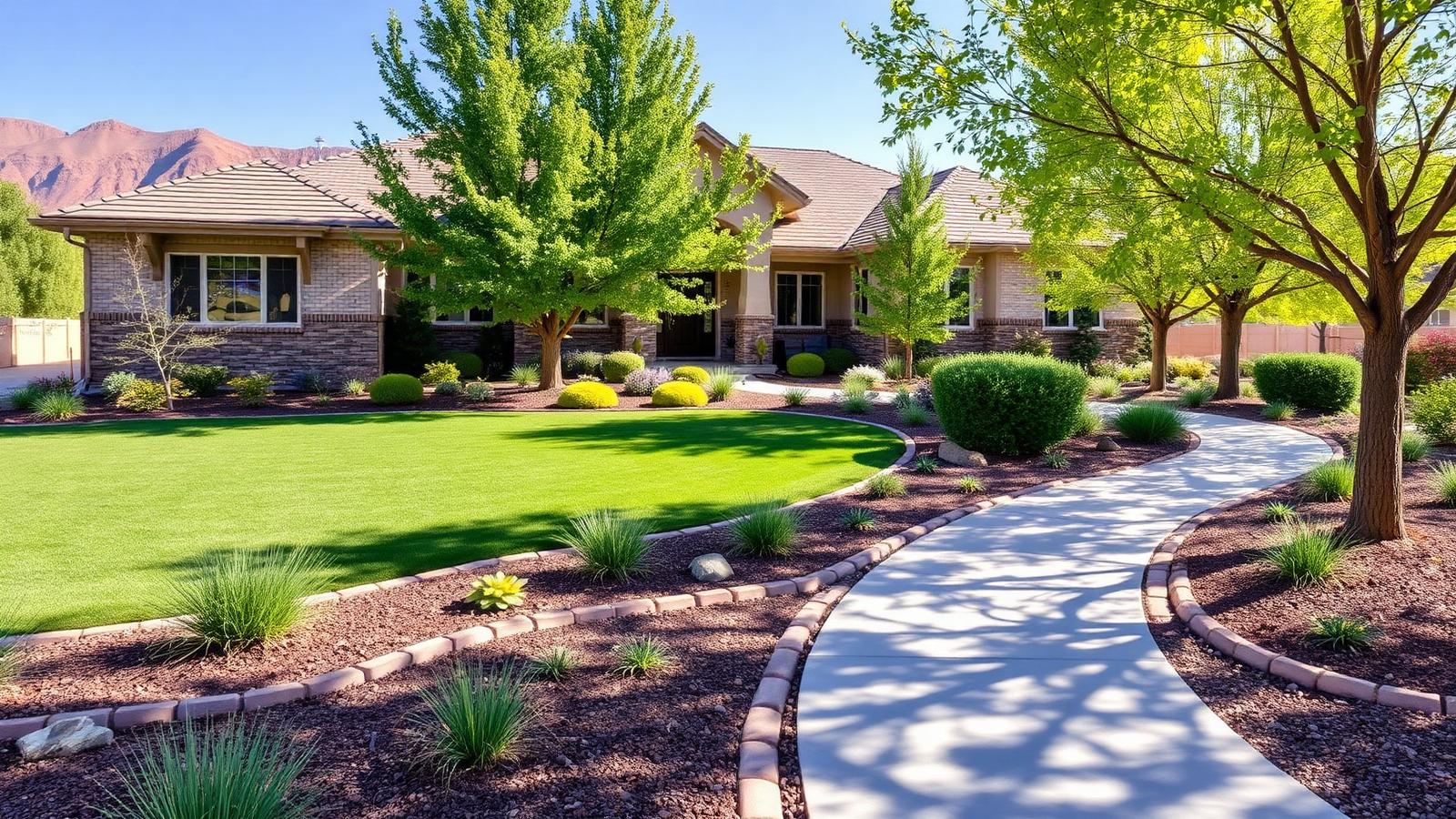
A plant that looks great at the garden center is not automatically right for every yard. Consider:
- Sun exposure
- Mature plant size
- Soil conditions
- Water requirements
- Wind exposure
- Winter conditions
- Maintenance requirements
- Placement near foundations, sidewalks, and utilities
The small shrub installed today may eventually become several feet wide. A tree planted for afternoon shade needs enough room to develop without interfering with roofs, sidewalks, or other landscape features.
Thoughtful plant selection also creates a yard that changes throughout the year instead of looking interesting for only a few weeks each spring.
6. Create Shade Where You Will Appreciate It Most
Northern Utah's sunny summer afternoons can make an exposed patio uncomfortable at exactly the time homeowners want to use it.
Shade can dramatically change how often an outdoor area gets used.
Depending on the property, that might involve strategically planted trees, a pergola, a covered structure, or positioning seating where the house already provides afternoon shade.
Shade can also help connect landscape design with everyday habits. An attractive patio does not accomplish much if no one wants to sit there in July or August.
When planning a new landscape, think about how sunlight moves across the property throughout the day — not just how the yard looks at noon.
7. Think Beyond the Initial Installation
A landscape is not finished the day construction ends.
Grass grows. Trees mature. Shrubs need pruning. Irrigation systems need adjustments and repairs. Beds collect leaves and weeds. Seasonal conditions change.
Designing with future maintenance in mind can prevent a beautiful new landscape from becoming difficult to manage. Ask questions such as:
- How much lawn do we realistically want to mow?
- How much pruning will these plants require?
- Can irrigation components be easily accessed?
- Will mature plants overcrowd this bed?
- How will snow affect this walkway or planting area?
Simplified Landscaping offers both residential installation and ongoing maintenance, including lawn care and irrigation services, allowing homeowners to plan construction and long-term care as part of the same landscape strategy.
8. Design the Entire Property Even If You Build It in Phases
Not every landscaping project needs to happen at once.
You might install the backyard this year, improve the front yard later, and add an outdoor feature several years from now. The important thing is having a plan before phase one begins.
For example, future electrical, gas, drainage, or irrigation needs can affect where patios and walkways should go today. A future pool may affect grading. A planned pergola could change the ideal patio dimensions.
Designing the whole property first allows individual phases to fit together instead of requiring completed work to be removed later.
Why Professional Landscape Design Matters in Northern Utah
Northern Utah landscapes face a combination of hot summers, freezing winters, irrigation demands, variable soils, and major seasonal changes.
The best residential landscape is therefore more than a collection of attractive materials. It is a coordinated system.
Grading affects drainage. Hardscaping affects circulation. Irrigation affects plant health. Trees affect shade. Plant placement affects maintenance. Outdoor living features affect how the family actually uses the yard.
When those decisions are made together, the result can feel simpler even when the landscape itself is sophisticated.
Build a Northern Utah Yard Around Your Lifestyle
Your yard should do more than look good through a window.
It should give you places to gather, relax, entertain, play, and spend time outside while remaining practical to maintain through Northern Utah's changing seasons.
Simplified Landscaping designs, builds, and maintains residential landscapes throughout Ogden, Layton, Kaysville, Farmington, Bountiful, Roy, Clearfield, Syracuse, Brigham City, Logan, Salt Lake City, and surrounding Northern Utah communities.
If you are considering a complete landscape installation, backyard renovation, patio, irrigation upgrade, or ongoing landscape care, contact Simplified Landscaping to schedule a property walk-through and start planning a yard built around the way you want to live.
Talk to a Northern Utah landscaper
Design, installation, irrigation and ongoing maintenance handled by one in-house team.
Get a Quote