
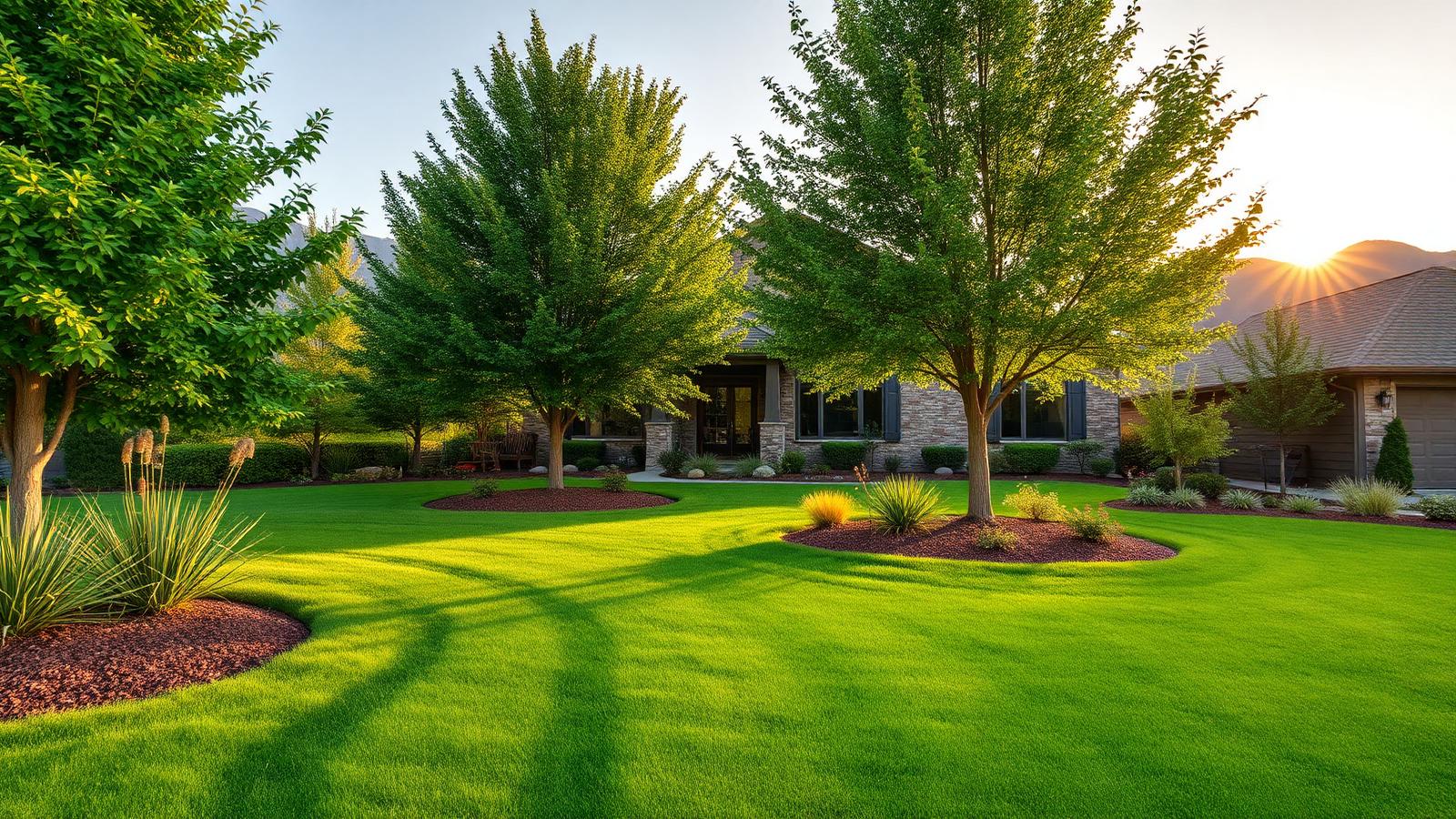
August can be one of the toughest months of the year for a Northern Utah landscape.
By this point in summer, lawns around Ogden, Layton, Kaysville, Roy, Bountiful, and surrounding communities have already dealt with weeks of heat, intense sunlight, irrigation demand, foot traffic, and dry conditions. Grass may begin looking tired. Flower beds can dry quickly. Sprinklers that worked well in May may suddenly leave noticeable brown spots.
At the same time, August is not just about surviving summer. It is also the beginning of an important transition into fall.
Utah State University Extension's Northern Utah turfgrass calendar identifies August and September as useful months for establishing or overseeding many cool-season grasses. Late summer into early fall is also an important period for preparing turf for recovery as temperatures eventually cool.
Here are seven ways to help your Northern Utah landscape finish summer strong and enter fall in better condition.
1. Check Your Irrigation System Before Simply Watering More
When a lawn develops a brown patch in August, the first reaction is often to increase the sprinkler timer. That is not always the solution.
A clogged nozzle, tilted sprinkler head, leaking valve, poor coverage pattern, or plant blocking a sprinkler can leave one part of the lawn dry while another area receives too much water.
USU Extension recommends inspecting irrigation systems regularly for broken, clogged, or misaligned sprinkler heads. It also recommends changing irrigation schedules as weather and plant needs change rather than leaving controllers on one summer setting indefinitely.
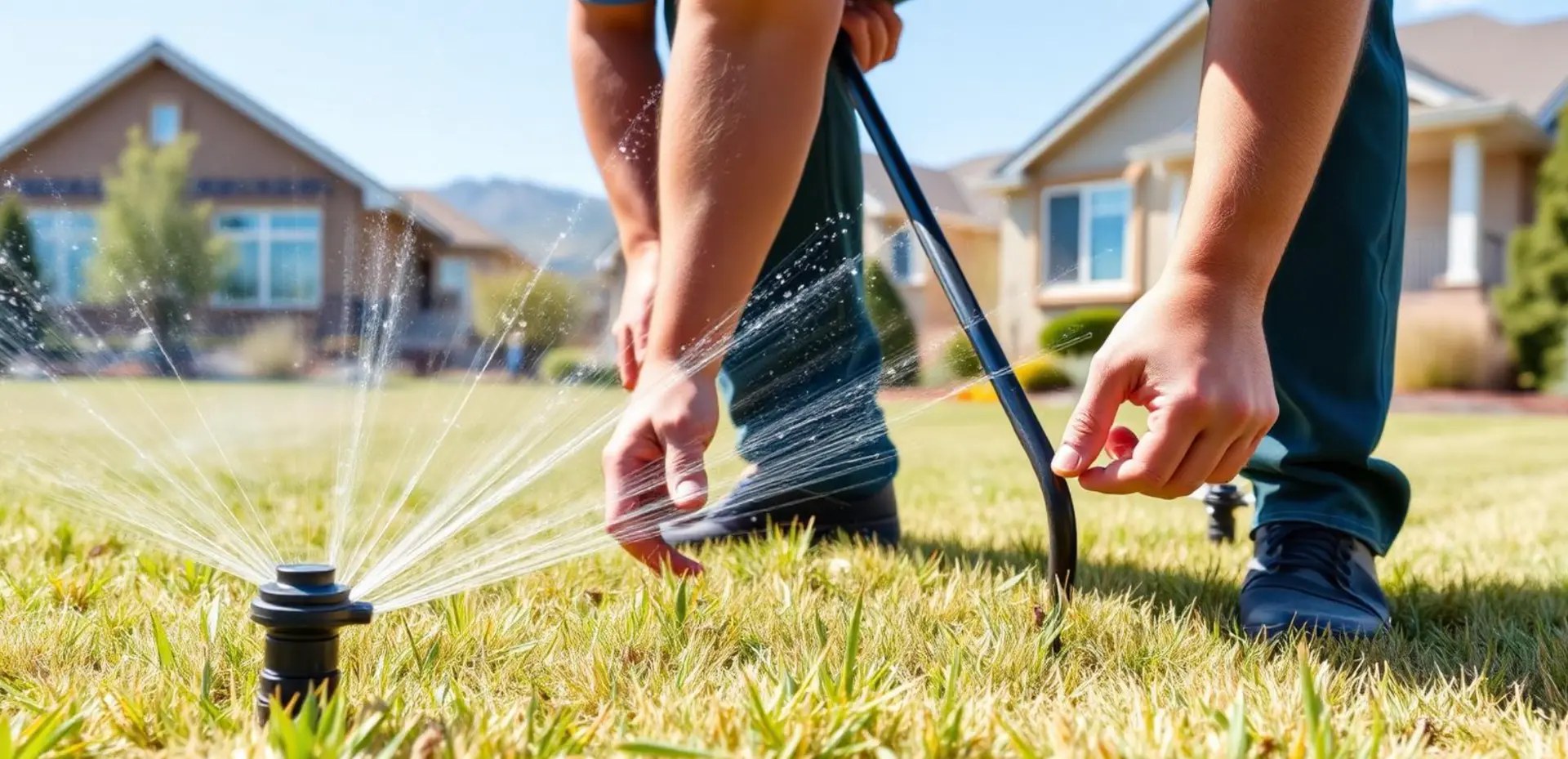
Walk your property while each zone runs. Watch for:
- Sprinklers watering sidewalks or driveways
- Heads that do not rise properly
- Areas receiving noticeably less coverage
- Water pooling near curbs or low spots
- Drip emitters that are clogged or disconnected
- Leaks around valves or sprinkler heads
Fixing irrigation coverage can often improve a stressed area without increasing water use across the entire property.
Simplified Landscaping provides irrigation audits, repairs, and water-saving upgrades for residential landscapes throughout Northern Utah.
2. Water According to Conditions, Not Habit
Northern Utah landscapes do not need exactly the same amount of irrigation every week.
Temperature, wind, rainfall, soil, shade, plant type, and sprinkler efficiency all affect how much water a property needs.
USU's Northern Utah turfgrass calendar gives a general August irrigation interval of about once every three days while emphasizing that schedules need to be adjusted for actual weather conditions. USU also recommends watering early in the morning to reduce evaporation.
The important idea is to avoid automatically adding watering days every time the grass looks stressed. Instead, determine whether the problem is actually dry soil, poor sprinkler coverage, compacted soil, excessive mowing, or another issue.
Weather-responsive or smart irrigation controls can make these adjustments easier by reducing unnecessary watering when landscape demand changes.
3. Keep Your Lawn a Little Taller During the Heat
August is usually not the time for an extremely short lawn.
Higher mowing heights give grass more leaf surface and can improve its ability to handle heat and drought stress. USU's Northern Utah guidance recommends mowing turf at approximately 2.5 to 3 inches during much of the growing season and removing no more than about one-third of the grass blade at one mowing.
That means if your lawn has grown to four inches, cutting it back to around three inches is generally better than scalping it down significantly shorter.
Consistent mowing also matters. Allowing turf to become very tall and then removing most of its growth at once places additional stress on grass that is already working hard to survive summer conditions.
4. Pay Attention to Trees and Shrubs, Not Just the Grass
A green lawn is easy to notice, but established trees and shrubs are often the most valuable parts of a landscape. Their watering needs are also different from turf.
USU notes that trees and shrubs have deeper root systems than grass and generally benefit from less frequent but deeper irrigation. Repeated shallow watering can encourage shallow roots that are more vulnerable to heat and water stress.
Check the soil around trees and shrubs instead of assuming nearby lawn sprinklers provide enough moisture.
Drip irrigation can also deliver water directly to root zones while reducing overspray onto pavement or areas that do not need irrigation.
5. Refresh Mulch in Dry Landscape Beds
Mulch does more than make planting beds look finished.
It helps shade the soil, reduce moisture loss, and limit weed growth. In its 2026 water-use guidance, USU Extension recommends roughly two to three inches of mulch over bare soil in garden and flower beds.
Late summer is a good time to inspect beds around:
- Trees
- Shrubs
- Perennials
- Foundation plantings
- Entry landscapes
- Backyard gathering areas
If mulch has washed away, decomposed, or become very thin, refreshing those areas can help protect plant roots through the remaining summer heat. Just avoid piling mulch directly against tree trunks.
6. Start Planning Fall Lawn Repairs Now
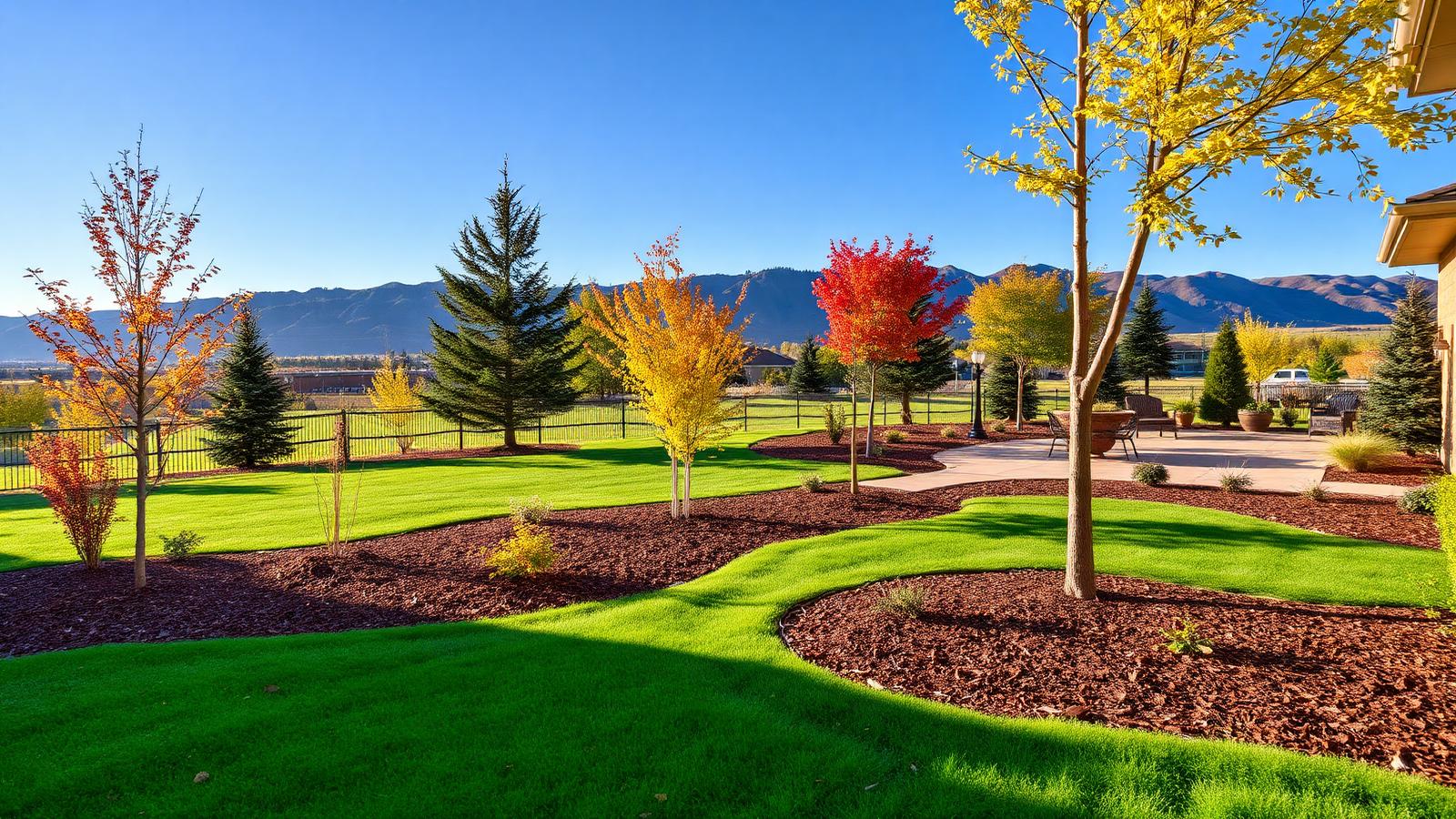
If your lawn has thin areas, bare spots, compaction, or other problems, August is a good month to start thinking about fall recovery.
USU lists August and September as appropriate periods for seeding and overseeding many cool-season grasses in Northern Utah. Core aeration is generally most effective when grass is actively growing, with late summer into early fall being an appropriate window for cool-season turf.
That makes late August a good time to evaluate:
- Thin turf
- Bare areas
- Soil compaction
- Heavy-traffic zones
- Poor drainage
- Thatch buildup
- Uneven sprinkler coverage
Addressing the underlying problem before reseeding is important. Installing seed without correcting irrigation, soil, or drainage issues can result in the same bare area returning next year.
7. Look at the Landscape as a Whole
August can reveal problems that were difficult to see in spring.
Maybe the west-facing lawn requires too much irrigation. Perhaps a flower bed struggles every summer because the plants are poorly matched to the exposure. Maybe a patio needs shade, the irrigation system needs modernization, or unused turf could become a more functional outdoor space.
Those observations are valuable when planning future landscape improvements.
A thoughtful landscape can combine turf, trees, shrubs, planting beds, patios, walkways, irrigation, outdoor living areas, and water-conscious upgrades instead of treating every part of the yard separately.
Simplified Landscaping handles residential design-build, maintenance, irrigation, hardscapes, lawn care, and landscape enhancements with one team throughout Northern Utah.
Get Your Northern Utah Landscape Ready for Fall
August may still feel like the middle of summer, but what you do now can have a major impact on how your property enters fall.
Checking irrigation coverage, adjusting watering based on conditions, mowing correctly, caring for trees and shrubs, refreshing mulch, and planning fall lawn improvements can help your landscape recover from summer stress and prepare for cooler weather.
Simplified Landscaping serves homeowners throughout Ogden, Layton, Kaysville, Farmington, Bountiful, Roy, Clearfield, Syracuse, Brigham City, Logan, Salt Lake City, and communities across Northern Utah.
If your yard needs irrigation repairs, ongoing maintenance, a landscape refresh, or a complete redesign, contact Simplified Landscaping to schedule a property walk-through and discuss what your landscape needs next.
Talk to a Northern Utah landscaper
Design, installation, irrigation and ongoing maintenance handled by one in-house team.
Get a Quote